





【英語で解説!】相続手続きの流れとは?相続人に外国人がいる場合・海外財産がある場合の注意点も解説
本記事は日本語と英語で解説いたします。
ご家族が亡くなると、預貯金、不動産、株式、自動車など、さまざまな財産について相続手続きが必要になります。
相続手続きは、戸籍の収集、相続人の確認、遺産分割協議、不動産の名義変更、預貯金の解約など、進めるべき手続きが多く、期限があるものもあります。
さらに、相続人の中に外国人がいる場合や、外国に相続財産がある場合には、通常の相続手続きよりも確認すべきことが増え、手続きが複雑になることがあります。
この記事では、相続手続きの基本的な流れと、国際的な要素がある相続で注意すべきポイントについて解説します。
相続手続きの基本的な流れ
相続手続きは、一般的に次のような流れで進めます。
1. 遺言書の有無を確認する
まず確認すべきなのが、亡くなった方が遺言書を残しているかどうかです。
遺言書がある場合、原則としてその内容に従って相続手続きを進めます。一方、遺言書がない場合は、相続人全員で遺産分割協議を行い、誰がどの財産を取得するかを決める必要があります。
2. 相続人を調査する
次に、誰が相続人になるのかを確認します。
相続人を確定するためには、被相続人の出生から死亡までの戸籍、相続人の現在戸籍などを収集します。
相続人の確認が不十分なまま遺産分割協議を行うと、後から別の相続人が判明し、協議をやり直さなければならない可能性があります。
3. 相続財産を調査する
相続人の確認と並行して、相続財産の調査を行います。
主な相続財産には、以下のようなものがあります。
- 不動産
- 預貯金
- 株式・投資信託
- 自動車
- 生命保険金
- 借入金・ローン
- 未払いの税金・医療費
相続では、プラスの財産だけでなく、借金などのマイナスの財産も引き継ぐ可能性があります。そのため、財産調査は早めに行うことが重要です。
4. 相続放棄をするか判断する
借金が多い場合や、相続に関わりたくない事情がある場合には、相続放棄を検討することがあります。
相続放棄は、原則として「自己のために相続の開始があったことを知った時から3か月以内」に家庭裁判所で手続きを行う必要があります。
期限を過ぎると、相続を承認したものとして扱われる可能性があるため注意が必要です。
5. 遺産分割協議を行う
遺言書がない場合や、遺言書に記載されていない財産がある場合には、相続人全員で遺産分割協議を行います。
遺産分割協議では、誰がどの財産を取得するかを話し合います。協議がまとまったら、遺産分割協議書を作成し、相続人全員が署名・押印します。
不動産の相続登記や預貯金の解約手続きでは、この遺産分割協議書が必要になることがあります。
6. 不動産の相続登記を行う
相続財産に不動産がある場合は、不動産の名義変更、つまり相続登記が必要です。
2024年4月1日から相続登記は義務化され、不動産を相続で取得したことを知った日から3年以内に登記申請を行う必要があります。
正当な理由なく申請をしない場合、10万円以下の過料の対象となる可能性があります。
相続登記を放置すると、将来売却できない、次の相続で相続人が増える、権利関係が複雑になるなどの問題が生じます。不動産がある場合は、早めに司法書士へ相談することをおすすめします。
7. 預貯金・株式などの名義変更や解約を行う
遺産分割の内容が決まったら、預貯金、株式、投資信託、自動車などの名義変更・解約手続きを行います。
金融機関ごとに必要書類が異なるため、戸籍、遺産分割協議書、印鑑証明書などをそろえて進める必要があります。
相続人に外国人がいる場合の注意点
相続人の中に外国人がいる場合でも、日本国内の不動産や預貯金について相続手続きが必要になることがあります。
ただし、日本人だけの相続と比べて、必要書類の確認や署名・押印の方法が複雑になることがあります。
戸籍がない場合、相続人であることの証明が必要
日本人の場合、戸籍をたどることで相続関係を確認できます。
しかし、外国籍の方には日本の戸籍がないため、本国の出生証明書、婚姻証明書、死亡証明書、家族関係証明書などによって、被相続人との関係を証明する必要があります。
国によって証明書の名称や取得方法が異なるため、早めに必要書類を確認することが重要です。
印鑑証明書の代わりに署名証明が必要になることがある
遺産分割協議書には、相続人全員の署名・押印が必要になります。
日本に住んでいる方で印鑑登録をしている場合は印鑑証明書を用意できますが、海外在住の方や外国籍の方の場合、印鑑証明書を取得できないことがあります。
その場合、在外公館や現地の公証人による署名証明、宣誓供述書などが必要になることがあります。
書類の翻訳が必要になる
外国で発行された証明書を日本の法務局や金融機関に提出する場合、日本語訳の添付を求められることがあります。
翻訳文には、翻訳者の氏名や連絡先の記載が必要になることもあるため、提出先のルールに合わせて準備する必要があります。
外国に相続財産がある場合の注意点
被相続人が日本人であっても、外国に不動産、銀行口座、証券口座などを持っている場合があります。
このような場合、日本国内の相続手続きだけでは完了せず、財産がある国の法律や手続きも確認する必要があります。
どの国の法律が適用されるかを確認する
国際的な相続では、「どの国の法律に従って相続を処理するのか」が問題になります。
日本では、相続は原則として被相続人の本国法によるとされています。つまり、被相続人が日本国籍であれば、日本法が基準になるのが基本です。
ただし、外国にある不動産や金融資産については、その国の法律や金融機関のルールに従った手続きが必要になることがあります。
国によっては、裁判所が関与する手続きや、現地専門家への依頼が必要になるケースもあります。
海外不動産は現地手続きが必要になることがある
外国に不動産がある場合、日本の遺産分割協議書だけで名義変更ができるとは限りません。
不動産が所在する国の法律に基づき、現地の登記制度、相続制度、税務手続きを確認する必要があります。
国によっては、現地の弁護士や専門家と連携して進める必要があります。
海外口座・海外証券の解約にも時間がかかる
外国の銀行口座や証券口座がある場合、相続人の本人確認書類、相続関係を証明する書類、遺産分割協議書、翻訳文、公証手続きなどが求められることがあります。
日本国内の金融機関よりも確認に時間がかかることが多いため、海外財産が判明した場合は、早めに手続きを開始することが重要です。
国際的な相続は早めの相談が重要です
相続人に外国人がいる場合や、外国に相続財産がある場合は、通常の相続手続きよりも時間がかかる傾向があります。
特に、次のようなケースでは注意が必要です。
- 相続人が海外に住んでいる
- 相続人の中に外国籍の方がいる
- 被相続人が外国籍である
- 外国に不動産や銀行口座がある
- 外国語の証明書を提出する必要がある
- 遺産分割協議書に海外在住者の署名が必要
- 相続登記の期限が迫っている
必要書類の取得や翻訳、署名証明の準備には時間がかかることがあります。相続登記の期限や相続放棄の期限に間に合うよう、早めに専門家へ相談しましょう。
まとめ
相続手続きは、遺言書の確認、相続人調査、財産調査、遺産分割協議、不動産の相続登記、預貯金の解約など、段階的に進める必要があります。
相続人に外国人がいる場合や、外国に相続財産がある場合には、通常の相続よりも必要書類や確認事項が増えるため、手続きが複雑になりやすいです。
当事務所では、相続登記をはじめ、相続人調査、遺産分割協議書の作成、海外在住の相続人がいる場合の手続きについてもサポートしています。
「相続人の中に外国人がいる」「海外に財産があるかもしれない」「何から始めればよいかわからない」という方は、お早めにご相談ください。
英語バージョン
Overview of Inheritance Procedures: Key Points When an Heir Is a Foreign National or Assets Are Located Overseas
When a family member passes away, various inheritance procedures may be required for assets such as bank deposits, real estate, shares, vehicles, and other property.
Inheritance procedures often involve many steps, including collecting family registry documents, confirming the legal heirs, preparing an estate division agreement, changing the registered ownership of real estate, and closing or transferring bank accounts. Some procedures also have legal deadlines.
In addition, if one of the heirs is a foreign national, or if the deceased owned assets overseas, there may be additional documents and legal issues to confirm. As a result, the inheritance process may become more complicated than a standard domestic case.
This article explains the basic flow of inheritance procedures in Japan, as well as key points to keep in mind when international elements are involved.
Basic Flow of Inheritance Procedures
Inheritance procedures are generally handled in the following order.
1. Check Whether There Is a Will
The first step is to confirm whether the deceased left a will.
If there is a valid will, the inheritance procedures will generally proceed according to the contents of the will. If there is no will, all heirs must discuss and agree on how the estate will be divided.
2. Identify the Legal Heirs
Next, it is necessary to confirm who the legal heirs are.
To identify the legal heirs, documents such as the deceased person’s family registry records from birth to death and the current family registry records of the heirs are usually collected.
If the heirs are not properly confirmed, another heir may later be discovered, and the estate division agreement may need to be redone.
3. Investigate the Inherited Assets
At the same time as confirming the heirs, it is also necessary to investigate the estate assets.
Main types of inherited assets include the following:
- Real estate
- Bank deposits
- Shares and investment trusts
- Vehicles
- Life insurance proceeds
- Loans and other debts
- Unpaid taxes and medical expenses
Inheritance may include not only positive assets but also negative assets, such as debts. Therefore, it is important to investigate the estate as early as possible.
4. Consider Whether to Renounce the Inheritance
If the deceased had significant debts, or if an heir does not wish to be involved in the inheritance, the heir may consider renouncing the inheritance.
In Japan, inheritance renunciation must generally be filed with the family court within three months from the date the heir became aware that the inheritance had started for them.
If this deadline is missed, the heir may be deemed to have accepted the inheritance, so careful attention is required.
5. Hold an Estate Division Discussion
If there is no will, or if there are assets not covered by the will, all heirs must hold an estate division discussion.
During this discussion, the heirs decide who will inherit which assets. Once an agreement is reached, an estate division agreement is prepared and signed or sealed by all heirs.
This agreement may be required for real estate inheritance registration and bank account procedures.
6. Complete Inheritance Registration for Real Estate
If the estate includes real estate, the registered ownership must be changed through inheritance registration.
In Japan, inheritance registration became mandatory on April 1, 2024. A person who acquires real estate through inheritance must apply for registration within three years from the date they became aware of the acquisition.
Failure to apply without a valid reason may result in an administrative fine of up to 100,000 yen.
If inheritance registration is left unattended, it may become difficult to sell the property, the number of heirs may increase due to a subsequent inheritance, and the legal relationship may become more complicated. If real estate is included in the estate, it is advisable to consult a judicial scrivener at an early stage.
7. Transfer or Close Bank Accounts and Other Assets
Once the estate division has been agreed upon, procedures must be completed for bank deposits, shares, investment trusts, vehicles, and other assets.
Each financial institution may require different documents. In many cases, documents such as family registry records, an estate division agreement, and seal registration certificates must be prepared.
Key Points When an Heir Is a Foreign National
Even if one of the heirs is a foreign national, inheritance procedures may still be required for real estate, bank deposits, and other assets located in Japan.
However, compared with an inheritance involving only Japanese nationals, the required documents and the method of signing or sealing documents may be more complicated.
Proof of Heirship May Be Required If the Heir Does Not Have a Japanese Family Registry
For Japanese nationals, family relationships can usually be confirmed by tracing family registry records.
However, foreign nationals do not have a Japanese family registry. Therefore, documents such as a birth certificate, marriage certificate, death certificate, or family relationship certificate issued by the relevant foreign country may be required to prove the relationship with the deceased.
The names and procedures for obtaining these documents differ depending on the country, so it is important to confirm the required documents as early as possible.
A Signature Certificate May Be Required Instead of a Seal Registration Certificate
An estate division agreement usually requires the signatures and seals of all heirs.
If an heir lives in Japan and has registered a seal, they may be able to provide a seal registration certificate. However, if an heir lives overseas or is a foreign national, they may not be able to obtain a Japanese seal registration certificate.
In such cases, a signature certificate issued by a Japanese embassy or consulate, a local notary public, or a sworn affidavit may be required.
Translation of Documents May Be Required
When documents issued overseas are submitted to a Japanese Legal Affairs Bureau or financial institution, a Japanese translation may be required.
The translation may need to include the translator’s name and contact information, depending on the rules of the institution where the documents are submitted.
Key Points When Inherited Assets Are Located Overseas
Even if the deceased was a Japanese national, they may have owned real estate, bank accounts, securities accounts, or other assets overseas.
In such cases, inheritance procedures in Japan alone may not be sufficient. It is also necessary to confirm the laws and procedures of the country where the assets are located.
Confirm Which Country’s Law Applies
In international inheritance cases, it is important to confirm which country’s law governs the inheritance.
Under Japanese law, inheritance is generally governed by the national law of the deceased. Therefore, if the deceased was a Japanese national, Japanese law will generally apply.
However, for real estate and financial assets located overseas, procedures may need to be handled according to the laws of the country where the assets are located and the rules of local financial institutions.
Depending on the country, court procedures or assistance from local professionals may be required.
Overseas Real Estate May Require Local Procedures
If the estate includes real estate located in another country, a Japanese estate division agreement alone may not be sufficient to change the ownership registration.
It is necessary to confirm the local registration system, inheritance rules, and tax procedures in the country where the real estate is located.
In some cases, it may be necessary to proceed in cooperation with a local attorney or other professional.
Closing Overseas Bank or Securities Accounts May Take Time
If the deceased had bank accounts or securities accounts overseas, the institution may require identification documents of the heirs, documents proving the inheritance relationship, an estate division agreement, translations, notarization, and other procedures.
These procedures often take longer than procedures with Japanese financial institutions. If overseas assets are discovered, it is important to begin the process as early as possible.
Early Consultation Is Important in International Inheritance Cases
If an heir is a foreign national or if inherited assets are located overseas, the inheritance process often takes more time than a standard domestic inheritance case.
Special attention is required in the following cases:
- An heir lives overseas
- One of the heirs is a foreign national
- The deceased was a foreign national
- The deceased owned real estate or bank accounts overseas
- Documents in a foreign language must be submitted
- An overseas resident must sign the estate division agreement
- The deadline for inheritance registration is approaching
Obtaining documents, preparing translations, and arranging signature certificates can take time. To avoid missing deadlines for inheritance registration or inheritance renunciation, it is advisable to consult a professional as early as possible.
Conclusion
Inheritance procedures must be handled step by step, including checking for a will, identifying the heirs, investigating the estate, preparing an estate division agreement, registering inherited real estate, and transferring or closing bank accounts.
If an heir is a foreign national or if inherited assets are located overseas, the required documents and procedures may increase, making the process more complex.
Our office supports inheritance registration, heir investigation, preparation of estate division agreements, and procedures involving heirs living overseas.
If you are unsure what to do because an heir is a foreign national, assets may be located overseas, or you do not know where to start, please feel free to contact us.
For Those Who Need Support with Inheritance Procedures
Inheritance procedures can become delayed if the necessary documents are not collected properly or if deadlines are overlooked.
In particular, if an heir is a foreign national or if assets are located overseas, early confirmation is important.
Our office provides consultations regarding inheritance registration and inheritance procedures.
The initial consultation is free of charge.
Please feel free to contact us.
相続手続きでお困りの方へ
相続手続きは、必要書類の収集や期限管理を誤ると、手続きが長期化してしまうことがあります。
特に、相続人に外国人がいる場合や、海外に財産がある場合は、早めの確認が重要です。
当事務所では、相続登記・相続手続きに関するご相談を承っております。
初回相談は無料です。
まずはお気軽にお問い合わせください。
この記事を担当した司法書士
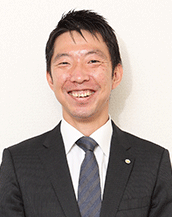
司法書士サンシアス
代表
丹 茂孝
- 保有資格
司法書士 行政書士 土地家屋調査士
神奈川県司法書士会登録第1426号
簡裁訴訟代理権認定番号第601465号
神奈川県行政書士会登録登録番号第16090386号、会員番号5077号
神奈川県土地家屋調査士会登録第3030号
公益社団法人成年後見センター・リーガルサポート会員
一般社団法人家族信託普及協会会員- 専門分野
-
不動産登記全般、相続全般
- 経歴
-
神奈川県司法書士会所属。平成18年度に司法書士試験に合格し、平成20年に神奈川司法書士会に登録。平成21年に行政書士試験合格。平成27年に土地家屋調査士試験合格。平成28年に行政書士と土地家屋調査士も登録。地域では数少ない、司法書士と行政書士と土地家屋調査士のトリプルライセンスを保有している相続の専門家として、横浜市内の相続の相談に対応している。

よくご相談いただくプラン(詳細はボタンをクリック)
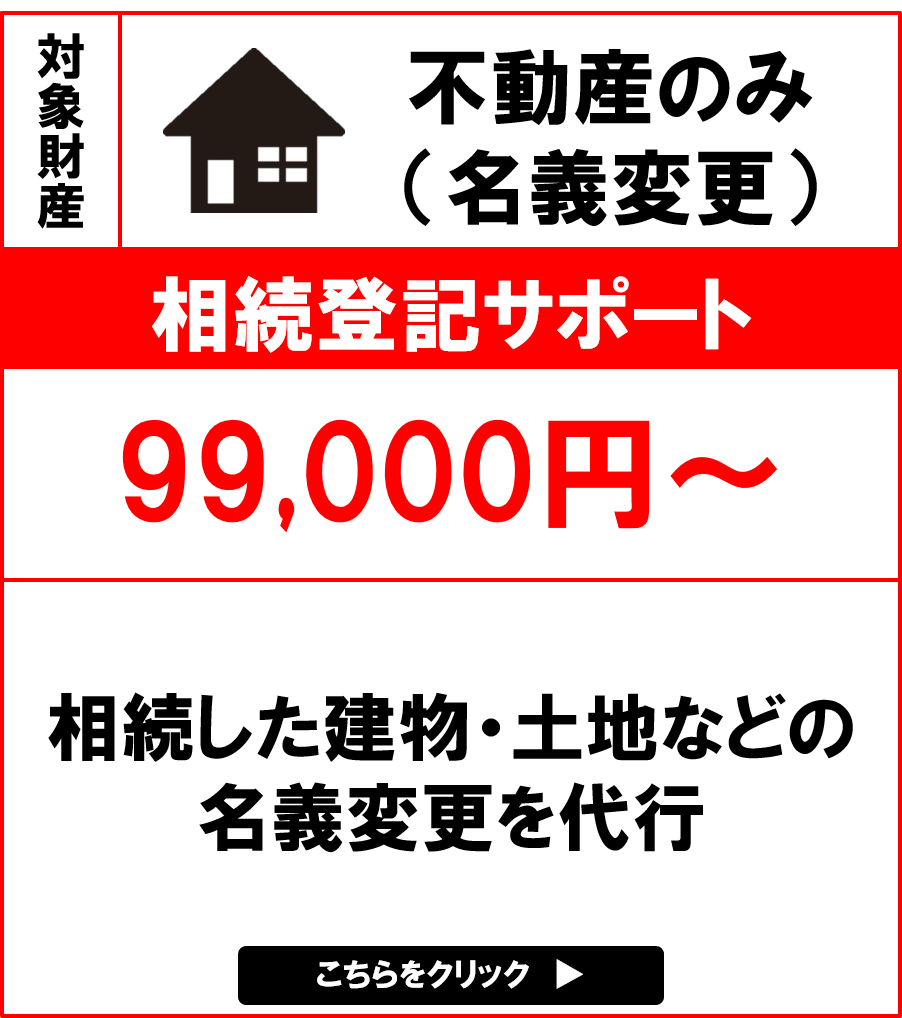
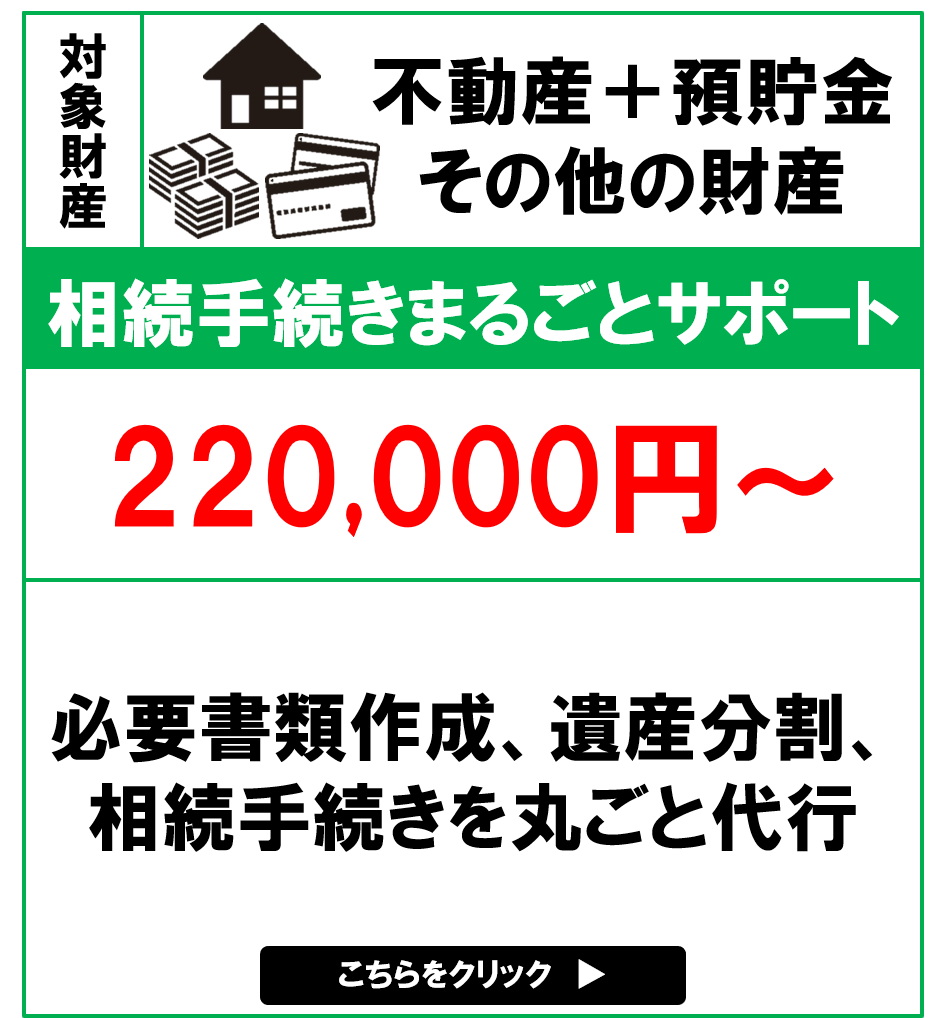
主な相続手続きのサポート料金
 |
 |
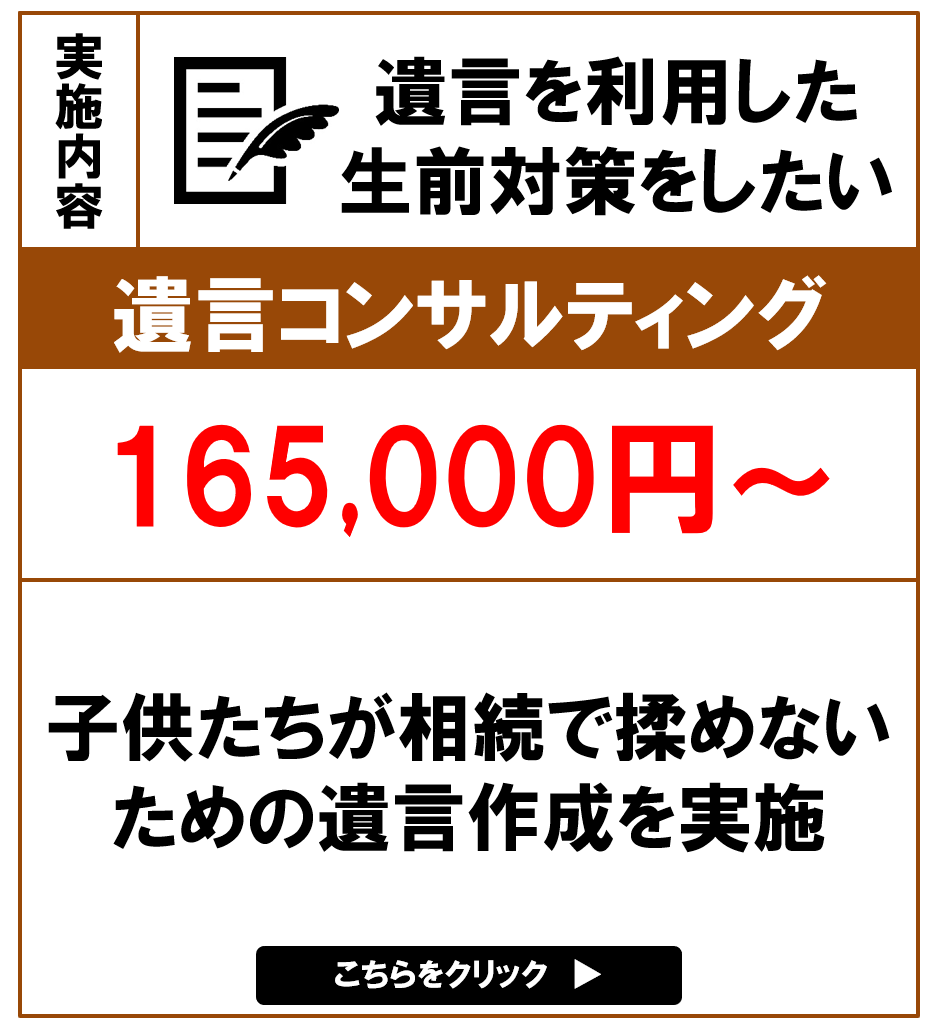
その他の手続きのサポート料金
 |
 |